




Imagine a scenario where the email you receive does not look suspicious as it comes from a trusted supplier with a familiar subject line and the conversation stretches back several weeks with your colleagues in CC and the content’s tone matches what you have seen before.

A contract leaves your company encrypted and reaches the right supplier. The transfer was secure. No phishing link was clicked. No firewall failed.
Two weeks later, the supplier’s Microsoft 365 account is compromised.
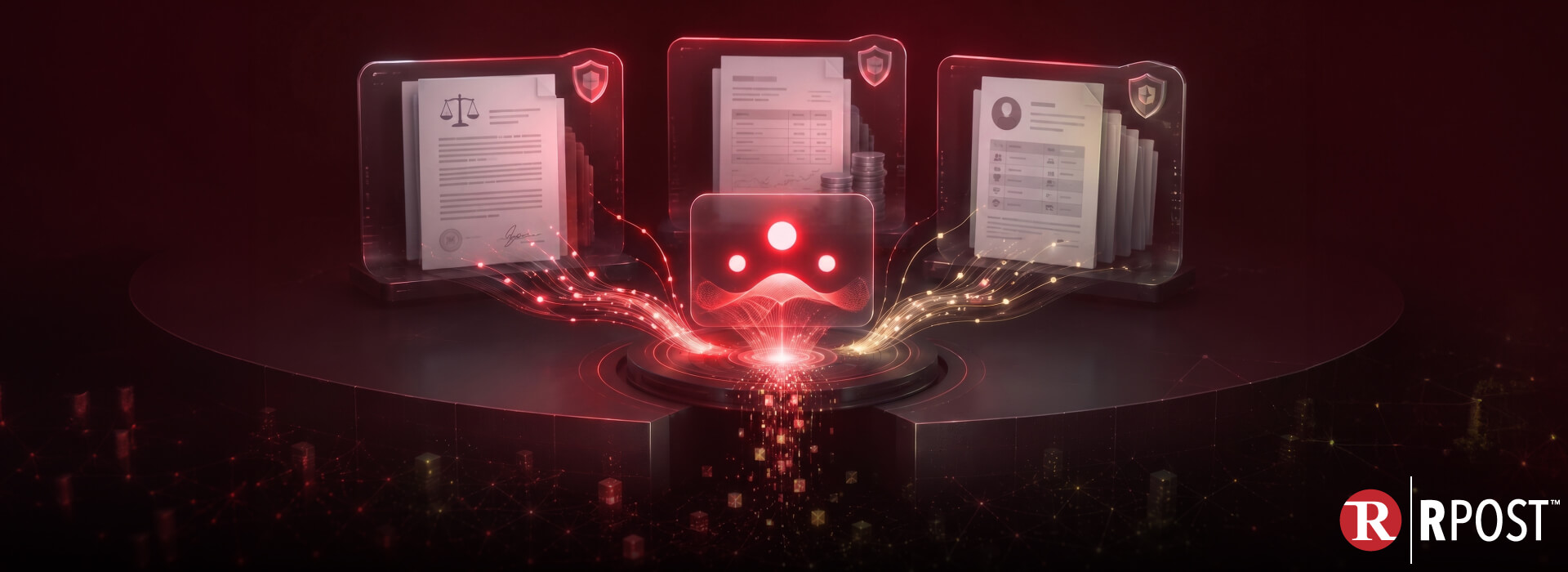
AI assistants are entering everyday work faster than many organizations can govern them. A lawyer uploads a contract for a summary. A finance analyst asks a copilot to explain unusual invoice activity. An HR manager pastes notes into an AI tool to improve a message. Each action may save time, but it may also place confidential business data into a system with different retention rules, access permissions, and oversight.
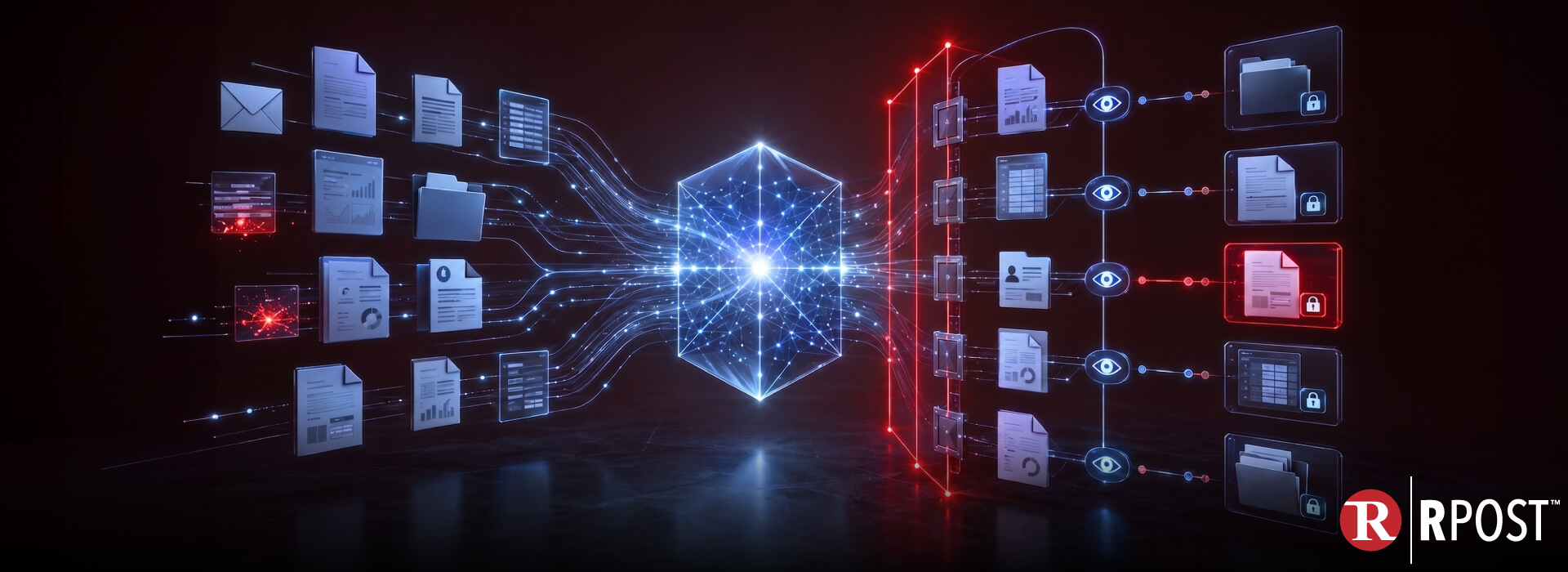
Your next major data breach may not begin with an attacker breaking into your network. It may begin with an approved AI agent doing exactly what it was asked to do.
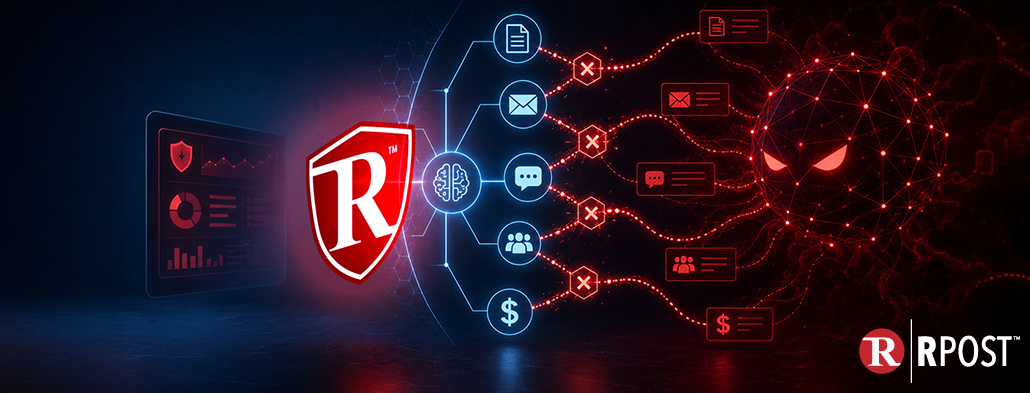
This article shares three observations from FS-ISAC APAC on the changing meaning of cyber resilience, the democratisation of sophisticated attacks through DarkAI and the need for more predictive threat intelligence. It considers how financial institutions can identify reconnaissance and third-party exposure earlier, before attackers have the context needed to launch a targeted attack.
September 18, 2026
August 20, 2026
August 12, 2026
August 04, 2026
July 28, 2026