



Security operations centers face a timing problem. Threats are developing faster, while analysts must review growing volumes of alerts from endpoints, networks, identities, email systems, cloud applications, and third parties.
Real-time threat detection used to be treated as an advanced security capability. Today, it is becoming a basic requirement for enterprises that cannot afford delayed visibility.
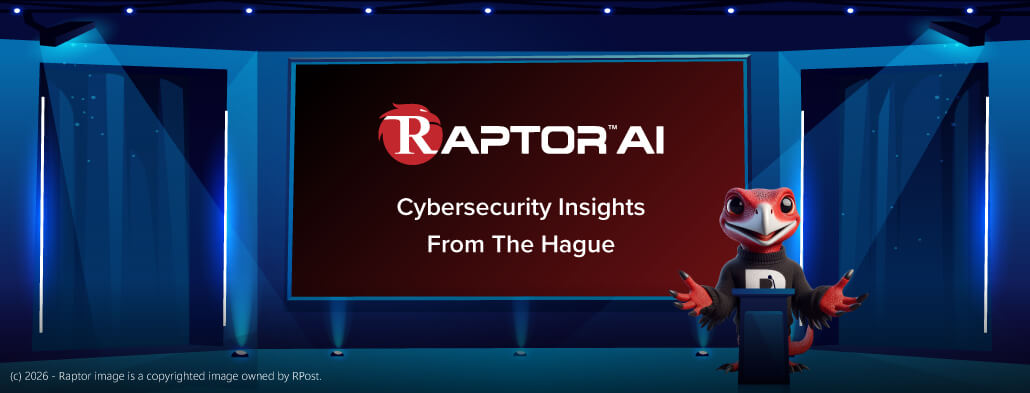
At FS-ISAC EMEA the RPost CEO provided a session entitled, “Rethinking Third Party Risk, CTI & Attack Surface In this Age of DarkAI”. While this was not a recorded session, we provided the FS-ISAC Expert Webinar Series session related to this topic on June 2 (members can register to view recording here).
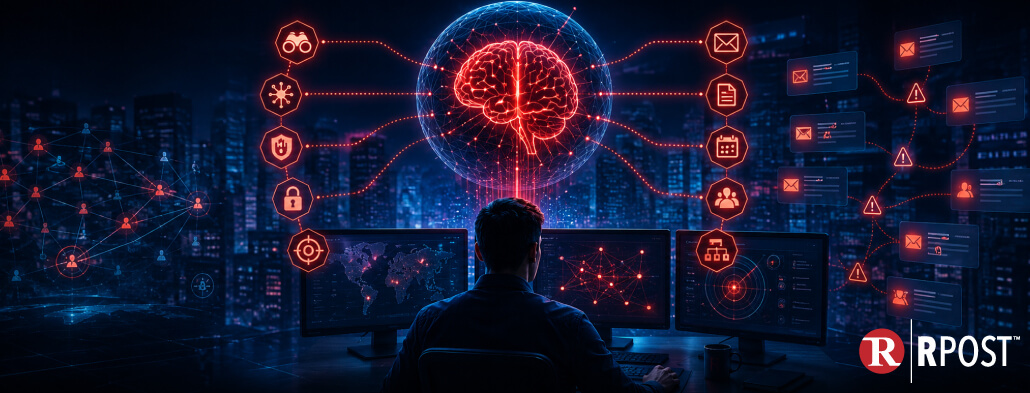
It scans links. It checks attachments. It blocks known malware. It reviews login behavior. It watches endpoints. It filters inbound email. It raises alerts when something crosses a known risk threshold.
Overlapping last week, RPost CEO presented the FS-ISAC Expert Webinar Series, with 1200 financial institutions attending, entitled “Rethinking Third Party Risk in the Age of Rapid AI Change.”

September 18, 2026

August 20, 2026
August 12, 2026
August 04, 2026
July 28, 2026