




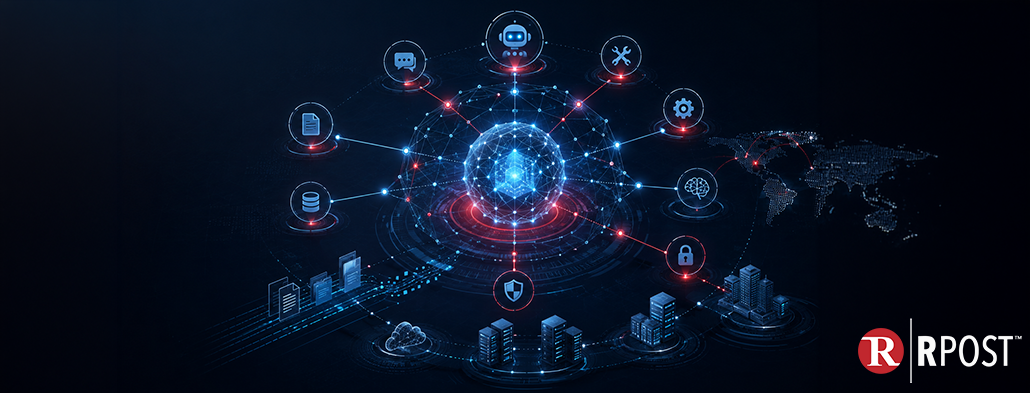
For years, CISOs could map risk around familiar areas: endpoints, identities, applications, cloud systems, email, and third-party access. Those risks have not gone away. But AI adds new exposure points that are harder to see because they sit inside prompts, models, agents, tools, memory, data flows, and the workflows that now depend on AI-generated output.
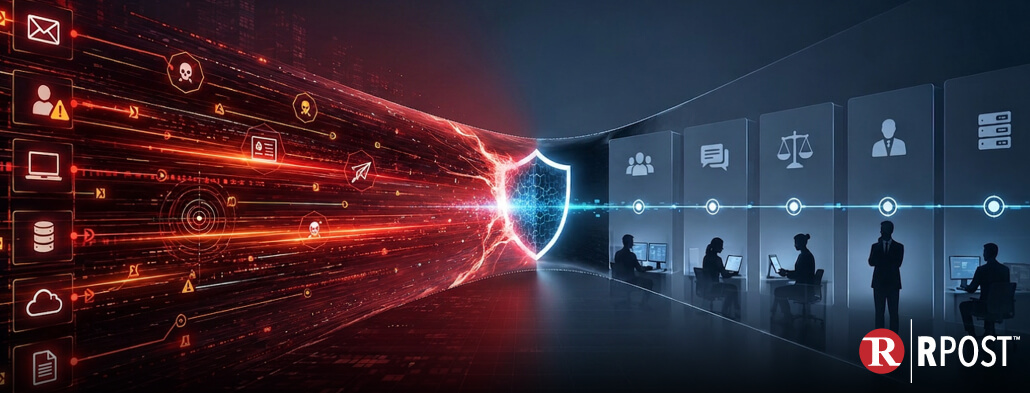
Cybersecurity teams have spent years improving detection. Better alerts. Better dashboards. Better threat intelligence. Better endpoint signals. All useful.
When companies calculate the cost of manual signing, they often start with the visible expenses: paper, printing, postage, scanning, and storage.

The pace of cyberattacks are mind-numbing with AI being the catalyst resulting in faster attacks, smarter phishing, automated exploits and so on. Yet, there’s a fundamental breach that’s far more less sophisticated and often ignored – human mistake.
For years, enterprise security teams worked with a basic assumption: if an attack got in, there would still be enough time to detect it, investigate it, contain it, and recover before the real damage spread. This assumption may not hold good anymore.
May 29, 2026
May 20, 2026
May 08, 2026
April 27, 2026
April 22, 2026