


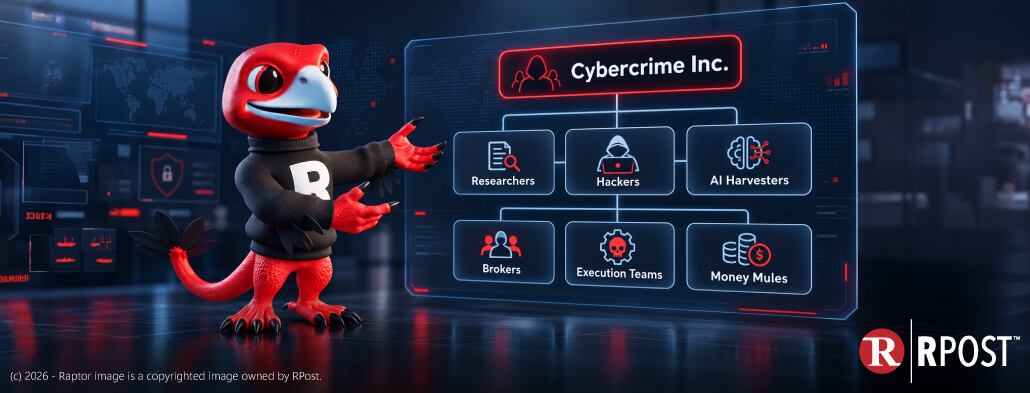
Rocky the Raptor here, RPost's Cybersecurity AI Product Evangelist. I've been watching how the business of cybercrime is evolving, and this week's headlines offer a striking example. What does a potential $6.3 billion cryptocurrency heist tell us about the future of cybercrime? Quite a lot, apparently.

Rocky the Raptor here, RPost’s cybersecurity product evangelist. I've noticed something interesting about cybersecurity conversations. Nearly everyone believes their organization is reasonably secure. Maybe not perfectly secure, but certainly more secure than some of the suppliers, customers, law firms, consultants, and other third parties they communicate with every day. And that's probably true for many organizations.
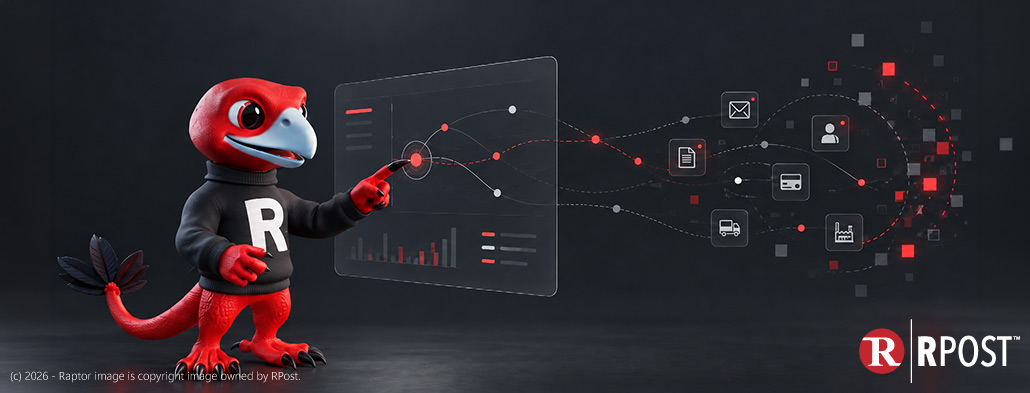
Rocky the Raptor here. After enough conversations with CIOs, CISOs, and security leaders, I keep coming back to one problem that may be more consequential than all the discussion about whether AI makes phishing better, malware smarter, or attackers more productive.
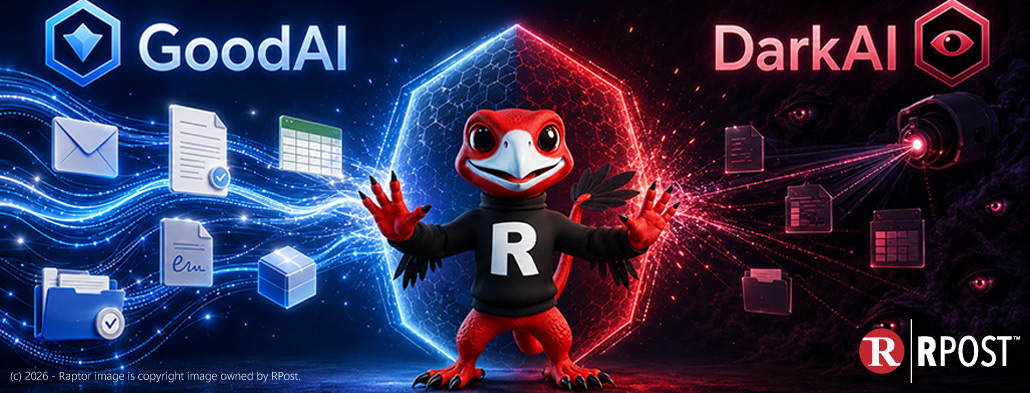
Rocky the Raptor here, RPost’s cybersecurity product evangelist, and I feel that the modern information worker has become the soft center of the digital economy.
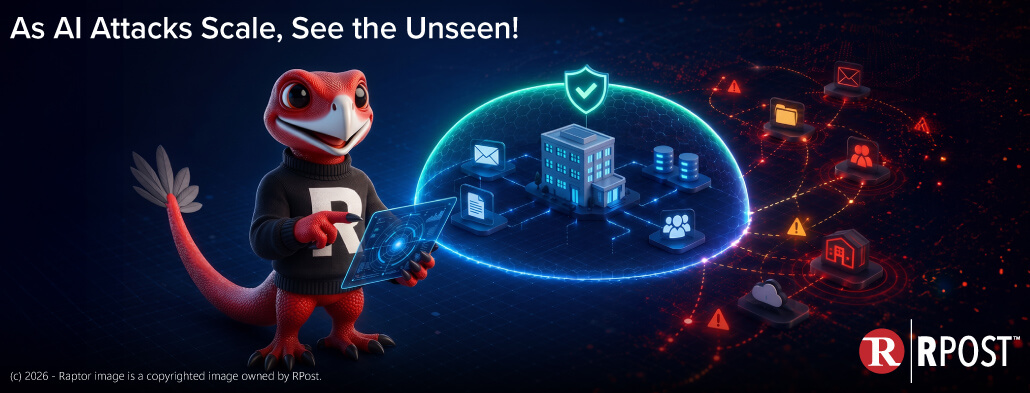
There’s a moment in every technology cycle when the conversation shifts from possibility to inevitability. In cybersecurity, that moment is happening now, and AI is driving it. And it’s no longer the era of more sophisticated hacking in the traditional sense; it’s something different - an environment where AI systems are operating against AI systems, often long before a human ever realizes an attack is underway.

November 06, 2026
October 30, 2026
October 23, 2026

October 16, 2026
October 09, 2026


