




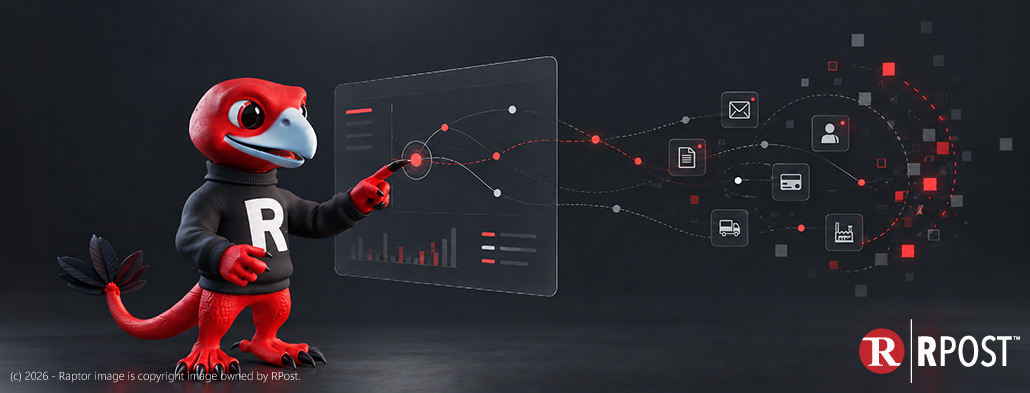
Rocky the Raptor here. After enough conversations with CIOs, CISOs, and security leaders, I keep coming back to one problem that may be more consequential than all the discussion about whether AI makes phishing better, malware smarter, or attackers more productive.

The cybercriminal targeting your company may not be trying to break into your network. He may already be inside the mailbox of your lawyer, supplier, accountant, or other trusted adviser. From there, the attacker can quietly read your messages, study your documents and learn how your organization works.
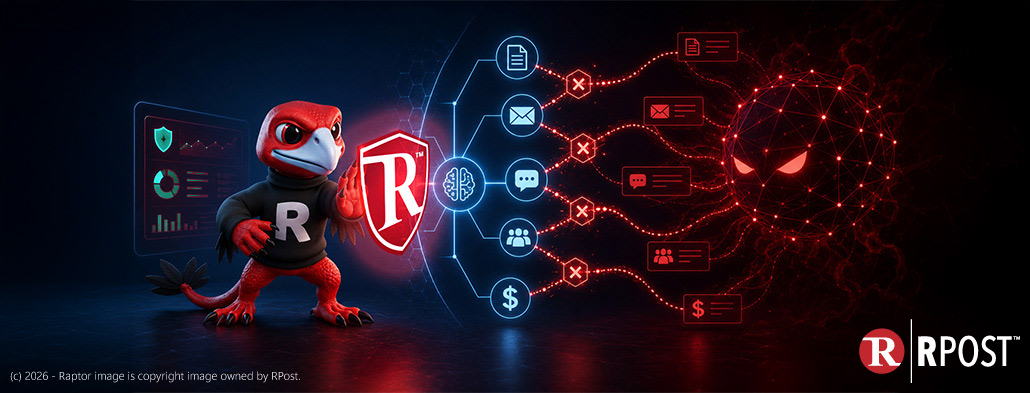
Rocky the Raptor here, RPost’s cybersecurity product evangelist. For years, cybersecurity strategy centered on one objective -- keep the bad guys out by building stronger firewalls, blocking phishing emails, detecting malware, and responding quickly when something slipped through.
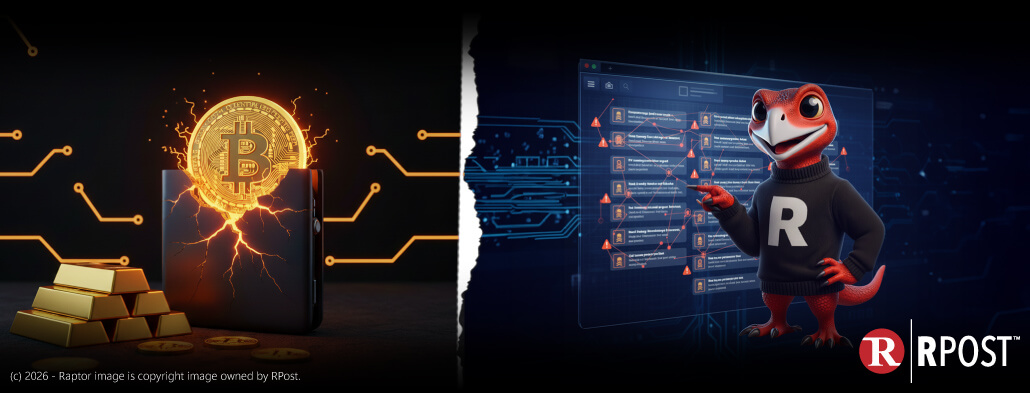
Rocky the Raptor here, RPost’s cybersecurity product evangelist. I’m here like many, watching the tech stock charts, wishing I had cashed out of my tech investments weeks ago. And, of course, the same with the crypto charts. But I’m looking in hindsight; the cybercriminals are looking in the now.

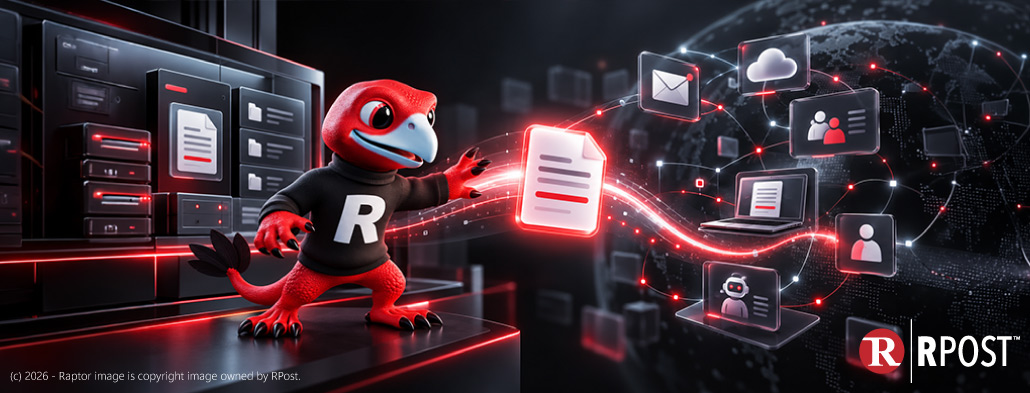
Rocky the Raptor here, RPost’s cybersecurity product evangelist. Here’s the thing about 2026: your “digital transactions” aren’t just transactions anymore; they’re content-rich moments where money, intent, identity, and urgency all collide.
October 01, 2026
September 25, 2026

September 18, 2026

September 16, 2026

September 11, 2026